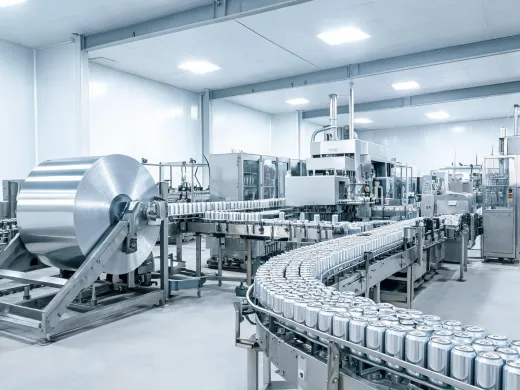
Beverage Packaging
Can makers need consistent gauge, coil cleanliness, surface readiness and supply planning that protects high-speed bodymaker and end-making lines.
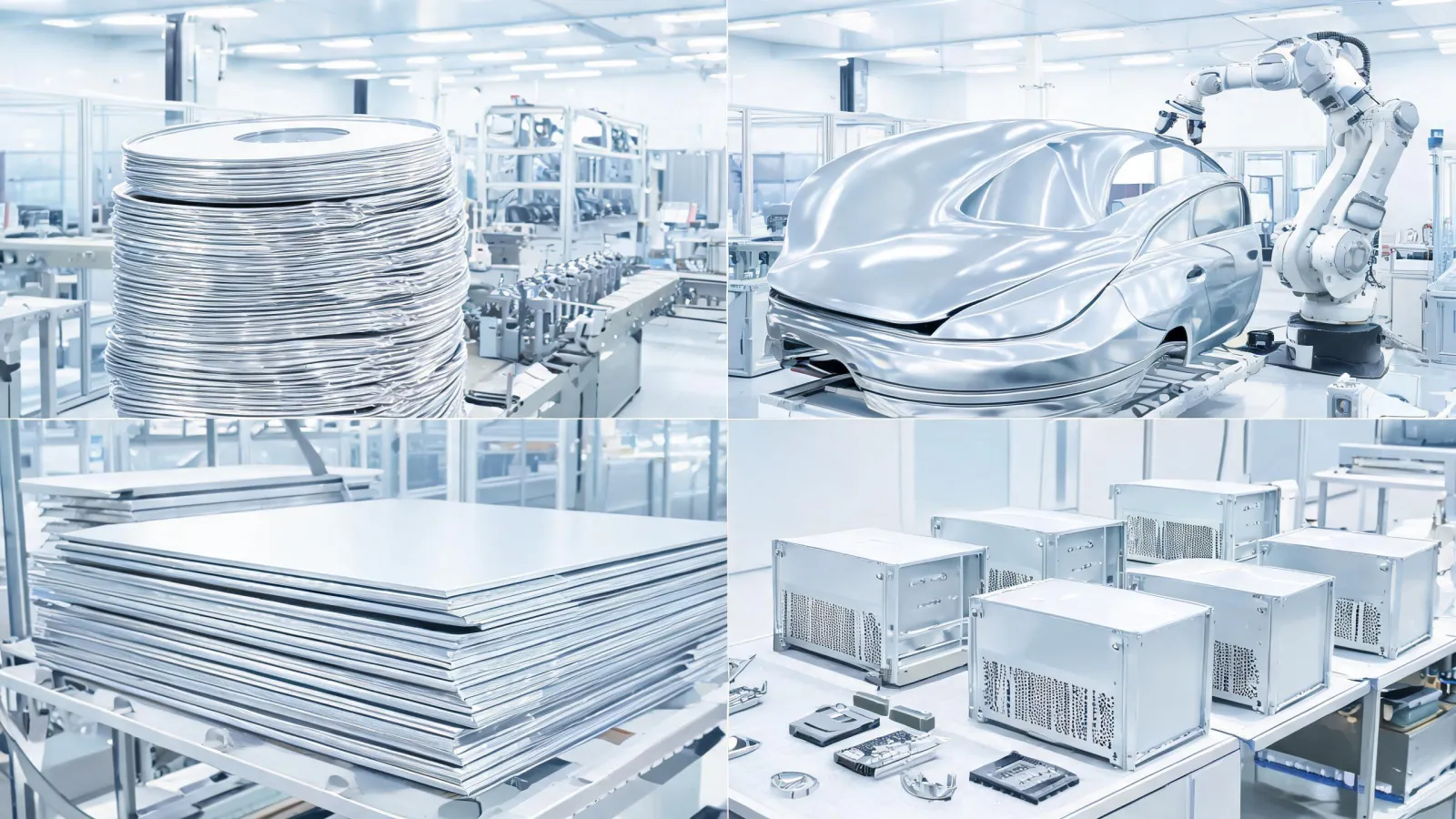
Industries
Aluminum buyers do not all ask the same question. Packaging teams care about line speed and gauge control, automotive engineers test surface and joining behavior, and industrial customers need dependable sheet or coil with documentation that fits their quality system.
Image showcase
Novelis works with industries where material choice affects product design, processing efficiency and downstream recovery. Each card highlights a different buying context rather than repeating one generic aluminum pitch.
Can makers need consistent gauge, coil cleanliness, surface readiness and supply planning that protects high-speed bodymaker and end-making lines.

Vehicle programs depend on aluminum sheet that can pass forming, hemming, paint, joining and corrosion expectations without losing the weight advantage.
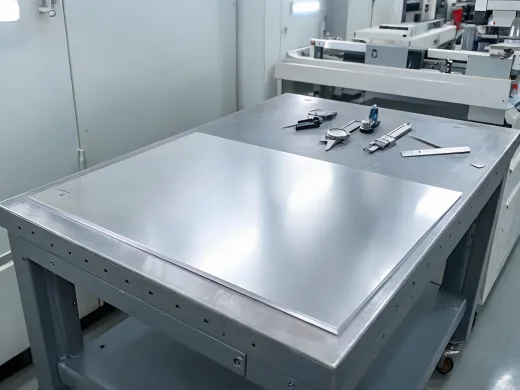
Industrial and consumer durable programs use Novelis material support when surface finish, flatness, corrosion exposure and batch-to-batch repeatability matter.
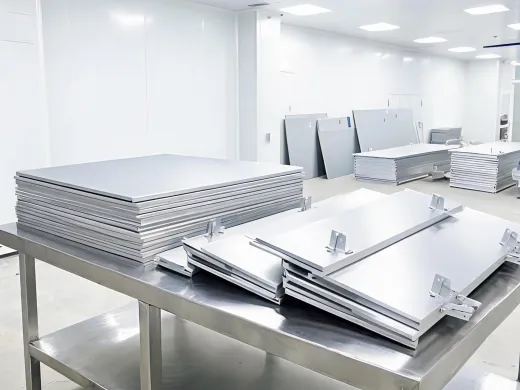
Panel and enclosure producers evaluate aluminum for light weight, finish flexibility, weather exposure and the ability to document input material choices.
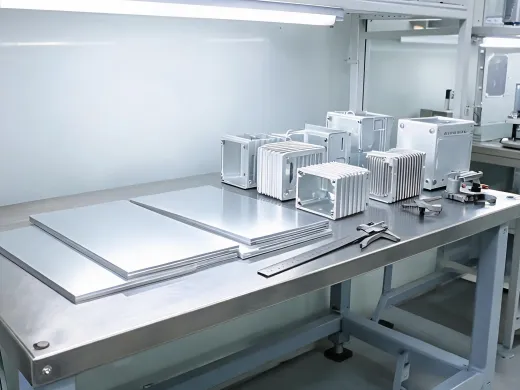
Electronics suppliers need aluminum that can handle forming, surface treatment and thermal demands while still supporting fast design iterations.
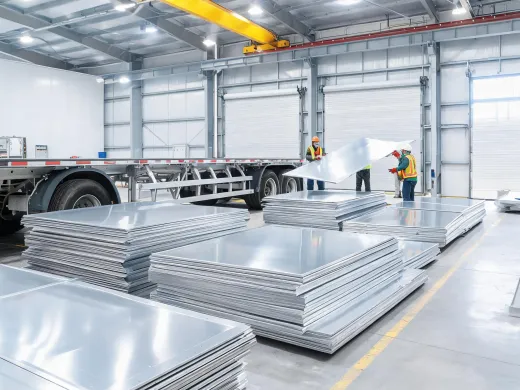
Trailer, rail and specialty vehicle builders use aluminum to reduce mass while keeping panel integrity, repairability and supply continuity visible.
Program metrics
Novelis teams use market-specific checkpoints because every industry stresses aluminum differently. Beverage lines emphasize coil quality and speed; automotive launches emphasize test data and PPAP-style discipline; industrial fabricators emphasize finish, flatness, packaging and lead time. The goal is to keep the material conversation tied to the production reality behind the purchase order.
Tell Novelis which market you serve, what the part must do and where the product will be manufactured. The next discussion can focus on real material choices.
Discuss an Application